The HIMSS Global Health Conference and Exhibition is where healthcare, data, and AI converge to drive the next wave of industry transformation. As healthcare organizations navigate growing challenges in data complexity, AI adoption, and security compliance, HIMSS 2025 will showcase the latest innovations driving operational efficiency, clinical decision-making, and digital transformation.
At Lovelytics, we help providers, payers, and life sciences organizations modernize their data ecosystems, optimize interoperability, and scale AI-powered insights. By leveraging the Databricks Data Intelligence Platform, we enable organizations to eliminate silos, automate workflows, and drive real-time analytics—unlocking new efficiencies and improving patient outcomes.
As the industry moves toward data-driven, AI-powered healthcare, three major trends will define how organizations integrate, analyze, and secure their data. Here’s what to expect at HIMSS 2025—and how Lovelytics is leading the charge.
1. AI-Driven Care: Moving from Concept to Implementation
AI has moved beyond theory—healthcare organizations are now deploying it at scale to enhance clinical decision-making, streamline operations, and improve patient engagement. At HIMSS 2025, expect a focus on real-world AI applications that are already delivering measurable impact.
Key AI advancements in healthcare include:
- Clinical Decision Support and Predictive Analytics for Patient Outcomes: AI models are helping clinicians detect diseases earlier, predict patient deterioration, and optimize treatment plans based on real-time data.
- Automated Clinical Documentation & Workflow Optimization: Generative AI (GenAI) is reducing administrative burden by streamlining physician notes, summarizing patient histories, and improving documentation accuracy.
- AI in Imaging and Diagnostics: Machine learning (ML) models are accelerating image analysis, enhancing early detection of conditions such as cancer, stroke, and cardiac diseases.
- AI for Operational Efficiency: Healthcare organizations are deploying AI-powered resource allocation, demand forecasting, and revenue cycle automation to improve efficiency and reduce costs.
- AI Reasoning Models in Clinical Decision-Making: LLMs have the potential to be at human parity and even surpass physicians in complex diagnostic and management reasoning, leveraging chain-of-thought reasoning for enhanced decision-making. A recent study on OpenAI’s o1-preview model demonstrated superhuman performance in differential diagnosis, signaling a new era in AI-assisted clinical decision support.
- AI Agents for Healthcare Efficiency: AI agents are transforming healthcare by automating administrative tasks, reducing errors, and streamlining workflows., From insurance claim verification to documentation review, these systems enhance efficiency, while AI-driven virtual assistants improve patient engagement with real-time support and education.
How Lovelytics is Driving AI Innovation
Successful AI adoption in healthcare relies on unified, high-quality data and scalable infrastructure. Lovelytics empowers organizations to harness dAI-driven analytics on Databricks, delivering real-time insights, predictive modeling, and workflow automation while ensuring security and compliance.
A $28B healthcare provider partnered with Lovelytics to modernize its legacy informatics platform, migrating to Azure Databricks to enable scalable, real-time analytics. By streamlining data processing and automating workflows, they improved diagnostic speed, reduced manual reporting, and enhanced clinical decision-making, laying the foundation for future AI-driven innovations
By embedding AI into clinical and operational workflows, healthcare organizations can transition from reactive to proactive decision-making, improving efficiency, accuracy, and patient outcomes.
2. Real-Time Data Integration and Interoperability
Despite advancements in digital health, data fragmentation remains a major challenge. Healthcare systems manage vast amounts of data from EHRs, claims systems, medical devices, and third-party applications, but without real-time integration, critical insights remain underutilized. The move toward real-time interoperability and cloud-based data platforms is essential for improving care coordination and AI adoption.
Advancements include:
- FHIR and Data Standardization: The healthcare industry is aligning with FHIR and HL7 standards to improve data exchange between providers, payers, and government agencies.
- Patient360 and Unified Data Platforms: Providers are integrating clinical, operational, and social determinants of health (SDOH) data to create comprehensive patient views and deliver more personalized care.
- Cloud-First Data Modernization and Strategies: Many organizations are moving away from legacy on-premises systems and adopting cloud platforms like Azure Databricks to enable scalable analytics, real-time data processing, and automated reporting.
How Lovelytics is Advancing Healthcare Interoperability
Lovelytics helps healthcare organizations streamline data integration by unifying disparate sources into a centralized, governed platform on Databricks. This enables real-time interoperability, AI-driven analytics, and improved operational efficiency.
One leading U.S. healthcare provider partnered with Lovelytics to automate data ingestion from 50+ HL7 feeds, improving data accuracy, compliance, and reporting speed. Meanwhile, another organization saw a 30% increase in operational efficiency by automating data transformation and scaling infrastructure, reducing manual entry and allowing clinicians to focus more on patient care.
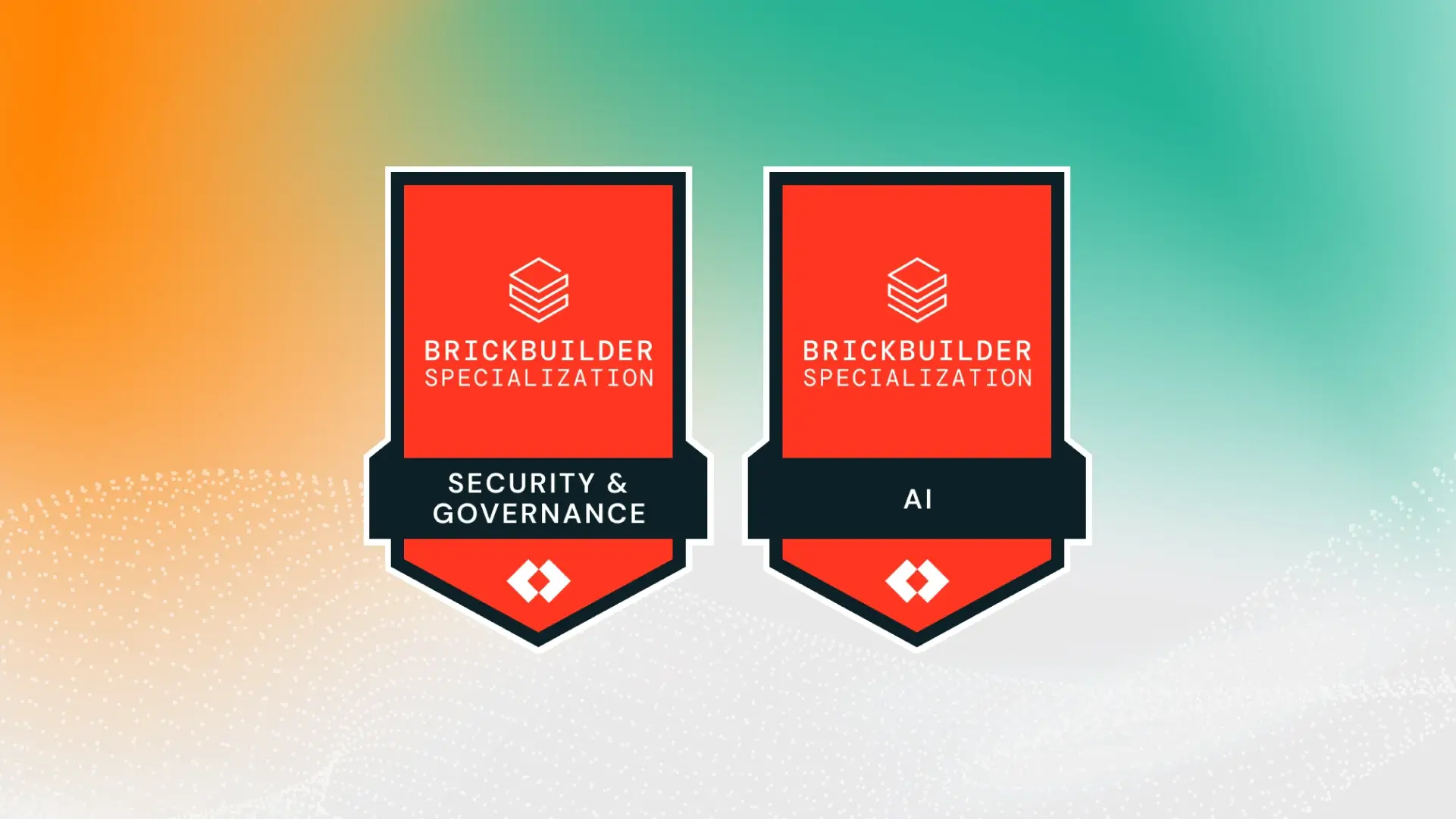
Our solutions help healthcare teams improve efficiency, compliance, and patient outcomes by eliminating bottlenecks and enabling faster, data-driven decision-making. Lovelytics’ Health Data Interoperability Brickbuilder to enable organizations to streamline data workflows, enhance analytics, and improve patient outcomes.

By eliminating bottlenecks and enabling faster, data-driven decision-making, Lovelytics helps healthcare teams enhance efficiency, maintain compliance, and deliver better care.
3. Strengthening Data Security, Governance, and Compliance
As healthcare organizations generate and store more data, security and governance have become top priorities. With cyberattacks on the rise, evolving compliance regulations, and increasing AI adoption, organizations need robust security frameworks to protect patient data while enabling advanced analytics.
Key areas of focus in healthcare security and compliance:
- Zero Trust Security Models: Healthcare organizations are implementing identity-based access controls, multi-factor authentication, and AI-driven anomaly detection to protect patient data from cyber threats.
- AI for Cybersecurity, Threat Detection, and Risk Management: ML models are helping organizations identify and respond to security incidents faster, reducing the risk of data breaches and ransomware attacks.
- Data Governance with Databricks Unity Catalog: Organizations are leveraging role-based security, data lineage tracking, and automated compliance monitoring to meet stringent regulatory requirements, including HIPAA, GDPR, and HITECH.
How Lovelytics is Enhancing Healthcare Data Security
Lovelytics helps healthcare organizations establish modern security and governance frameworks using Databricks Unity Catalog. By implementing role-based security, automated compliance monitoring, and data lineage tracking, organizations can protect sensitive patient data while ensuring analytics remain accessible and scalable.
A leading healthcare provider faced challenges securing sensitive patient information across a fragmented data environment. By leveraging Databricks Unity Catalog, Lovelytics helped them implement fine-grained access controls, real-time monitoring, and improved auditability, ensuring compliance while enabling secure data sharing across clinical and operational teams.
With the right data governance and security strategies, healthcare organizations can scale AI adoption and data-driven decision-making while maintaining the highest standards of privacy and compliance.
Databricks Clean Rooms, now generally available (GA), provide a secure environment for data collaboration, which is highly beneficial for HLS organizations dealing with HIPAA-regulated data. This helps with:
- Secure Data Collaboration Without Movement: HLS organizations can share and analyze sensitive patient data without actually moving or duplicating it which ensures compliance with HIPAA’s minimum necessary standard, reducing unnecessary exposure of Protected Health Information (PHI).
- Fine-Grained Access Controls and Governance: Databricks Clean Rooms enforce strict access policies using Unity Catalog, leveraging column- and row-level security allows organizations to share insights rather than raw PHI, aligning with HIPAA’s de-identification and privacy rule requirements.
- Auditing & Compliance for HIPAA: Full audit logs track who accessed what data and when, ensuring transparency for regulatory compliance. Supports role-based access controls (RBAC) to restrict data access to only those with a legitimate need.
- Multi-Party Analytics for Clinical Research & Population Health: Clean Rooms allow multiple healthcare stakeholders to collaborate on AI/ML models for drug development, clinical trials, or population health analytics without exposing PHI.
- Enabling HIPAA-Compliant AI and ML: HLS organizations can train AI/ML models on patient data within a secure Clean Room, enabling innovations in personalized medicine, predictive analytics, and fraud detection while maintaining compliance.
Shaping the Future of Healthcare with Data & AI
As AI, interoperability, and data security continue to shape the healthcare landscape, organizations must embrace modern, scalable solutions to stay ahead. The shift toward cloud-based platforms, AI-driven analytics, and advanced governance frameworks will define the next phase of healthcare transformation.
By working with Lovelytics and leveraging the Databricks Data Intelligence Platform, healthcare organizations can unlock real-time insights, automate workflows, improve interoperability, and enhance security—ultimately improving patient care and operational efficiency.
For healthcare organizations looking to scale AI adoption, modernize data ecosystems, and strengthen security and compliance, investing in scalable, cloud-first solutions is essential to driving long-term healthcare innovation.
Meet Lovelytics at HIMSS 2025
Let’s connect at HIMSS 2025 to discuss how your organization can leverage AI, real-time data integration, and advanced governance to improve patient care and operational efficiency. Be sure to attend our session, AI Agents in Healthcare: Intelligent Planning with Databricks Mosaic AI, on Thursday, March 6 at 11:00 am, where Lovelytics’ Managing Director of GenAI, Sudhir Gajre, will explore how multi-agent AI systems can revolutionize hospital supply chain planning. Using the Databricks Mosaic AI Agent Framework, this session will showcase how AI-powered agents can optimize resource allocation, improve real-time decision-making, and streamline operations—from inventory management to patient flow optimization.
We’d love to chat about how Lovelytics can help you harness AI and data-driven insights to improve healthcare outcomes. See you at HIMSS 2025!